Лучшие ИИ-приложения по астрологии в 2026 | Natal AI
comparisons10 min read
Лучшие ИИ-приложения по астрологии в 2026
Мы протестировали 9 ИИ-приложений по астрологии и составили рейтинг по точности, глубине разбора карты и цене, чтобы вы выбрали своё.
☾
Natal AI Team
Astrology & AI Research ·
updated · 24 мая 2026 г.
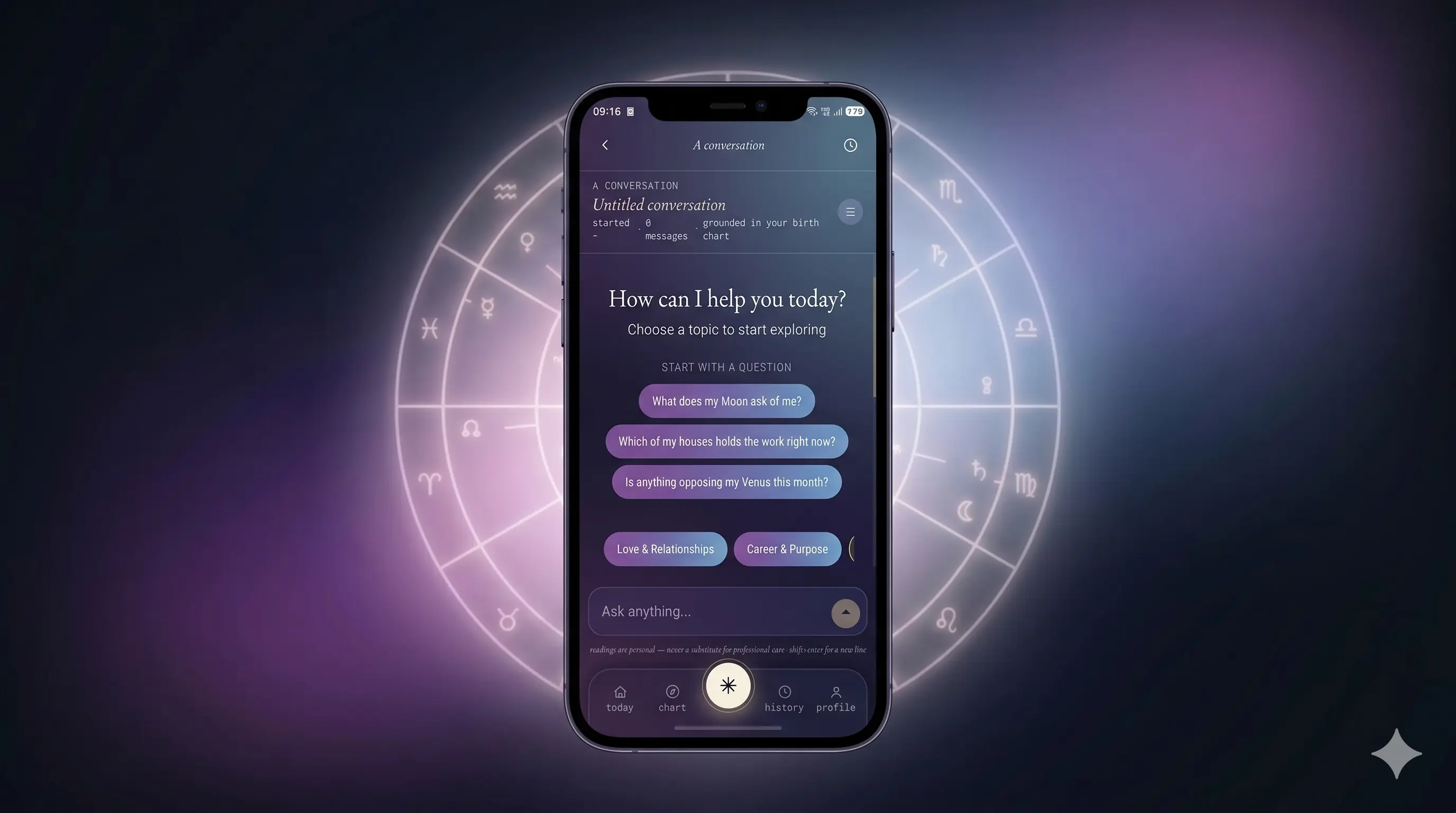
fig. 1 — Сетка иконок ИИ-приложений по астрологии, ранжированных от лучшего к худшему в 2026 году
◉key takeaways
Только 3 из 9 самых популярных астрологических приложений в 2026 году используют настоящий генеративный ИИ — остальные, по нашей оценке, опираются на шаблонное сопоставление, а не на генеративную языковую модель.
Natal AI занимает 1-е место по диалоговому синтезу карты; The Pattern выигрывает по психологическому распознаванию паттернов; Sanctuary лучший, если вы хотите настоящего астролога-человека.
Co-Star лучше всего подходит для ежедневных уведомлений, а не для глубокой интерпретации натальной карты.
AstroSeek и Astro.com остаются наиболее точными бесплатными калькуляторами карт в 2026 году, но не имеют нативного ИИ.
Пользовательские GPT в ChatGPT могут сравниться с отдельными инструментами по интерпретации, но лишены данных эфемерид — их нужно сочетать с настоящим калькулятором.
На рынке астрологических приложений в 2026 году существует более 25 инструментов, позиционирующих себя как «ИИ-астрология». Большинство из них — не то, чем кажутся. Граница между настоящим генеративным ИИ-интерпретатором карты и астрологическим приложением 2014 года с чат-пузырём становится всё размытее — а не чётче — по мере коммерциализации категории.
Мы сравнили 9 наиболее популярных ИИ-астрологических приложений 2026 года по четырём одинаковым критериям: астрономическая точность, настоящий ИИ против шаблонного сопоставления, глубина диалога и прозрачность ценообразования. Ниже — итоговый рейтинг, для кого каждое приложение подходит лучше всего и сравнительная таблица, которую можно просмотреть за 30 секунд.
Раскрытие: Natal AI — наш собственный продукт, поэтому у нас есть интерес в этой категории. Рейтинг ниже отражает наше практическое тестирование и наше мнение. Цены и функции актуальны на май 2026 года и часто меняются — перед оформлением подписки проверяйте каждое приложение напрямую.
Для диалоговой интерпретации натальной карты Natal AI — лучшее ИИ-приложение по астрологии в 2026 году, поскольку сочетает расчёты на основе Плацидуса с генеративной языковой моделью, синтезирующей несколько положений в одном ответе. The Pattern — сильнейшая альтернатива без чата для психологического распознавания паттернов. Sanctuary — лучший выбор, если вы хотите именно астролога-человека.
for reflection & self-knowledge — not prescription.
Астрономическая точность — использует ли приложение систему домов Плацидуса (западный стандарт) и расчёты уровня эфемерид? Приложения, использующие по умолчанию менее распространённые системы, могут давать положения домов, расходящиеся с расчётами профессионального астролога.
Настоящий генеративный ИИ против шаблонного сопоставления — синтезирует ли приложение несколько положений вместе, или выдаёт одинаковый заранее написанный абзац каждому с одним знаком Венеры? Шаблонное сопоставление — не ИИ, что бы ни говорил маркетинг.
Глубина диалога — можно ли задавать уточняющие вопросы на естественном языке, или приложение выдаёт статичное чтение и на этом всё?
Прозрачность ценообразования и конфиденциальности — многие приложения позиционируются как «бесплатные», но за подписку прячут реальный ИИ. Мы штрафовали за непрозрачное ценообразование и приложения, требующие номер телефона при регистрации.
1. Natal AI — лучший в целом для диалогового синтеза карты
Вердикт: Единственное приложение в нашем обзоре 2026 года, сочетающее точные расчёты эфемерид с настоящей генеративной языковой моделью, способной синтезировать несколько положений и отвечать на уточняющие вопросы в реальном времени.
Плюсы
Генеративная LLM создаёт синтезированные ответы по Солнцу, Луне, асценденту, аспектам и домам в одном отклике
Неограниченные уточняющие вопросы по той же карте, транзитам или синастрии
Менее развитая социальная/коммьюнити составляющая, чем у The Pattern или Co-Star
Для постоянного неограниченного чата после бесплатного чтения требуется подписка
Нет ежедневных push-уведомлений — Natal AI это инструмент, который открывают, а не лента
Тип ИИ: Генеративная LLM с интеграцией эфемерид
Цена: Бесплатное чтение карты; 3,99 долл./нед. за неограниченный чат
Лучше всего для: тех, кто хочет по-настоящему разговаривать со своей картой, а не читать статичный отчёт.
2. The Pattern — лучший для психологического распознавания паттернов
Вердикт: Сильнейшее приложение без чатбота в 2026 году. The Pattern превосходно упаковывает ваши положения в психологические нарративы и временны́е циклы, но не является инструментом на основе генеративного ИИ.
Плюсы
Красиво написанный психологический контент, без мистического жаргона
Сильная функция «тайминга», показывающая транзиты без вашего запроса
Социальный слой позволяет сравнивать паттерны с друзьями и партнёрами
Минусы
Нет настоящего ИИ-чата — вы читаете кураторские фрагменты, не ведёте диалог
Сильно закрыто за пейволом после первого чтения
Вы читаете кураторские фрагменты, а не ответы, генерируемые в реальном времени под вашу конкретную карту
Тип ИИ: Алгоритмическое сопоставление с паттернами (не генеративный ИИ)
Цена: Бесплатный профиль; «Go Deeper+» от ~14,99 долл./мес. (оплата поквартально или ежегодно)
Лучше всего для: тех, кто хочет качественное психологическое чтение карты и не нуждается в уточняющих вопросах. Полное сравнение: Natal AI vs The Pattern.
3. Sanctuary — лучший, если вам нужен настоящий астролог-человек
Вердикт: Sanctuary включён в этот рейтинг для прозрачности: многие пользователи, ищущие «ИИ-астрологию», на самом деле хотят настоящего астролога. Sanctuary — лучшее приложение для этого. Но это не серьёзный ИИ-инструмент.
Плюсы
Чат с проверенными астрологами-людьми в течение нескольких минут
Качество стабильно высокое, поскольку каждое чтение пишет живой человек
Полезный бесплатный ежедневный гороскоп для случайных пользователей
Минусы
Поминутная оплата (около 2,99 долл./мин) быстро накапливается — длинная сессия легко обходится в 20–50 долл.
Время ожидания в часы пик может превышать «по запросу»
Тип ИИ: Маркетплейс людей с лёгкой автоматизацией на бесплатном уровне
Цена: Бесплатный ежедневный гороскоп; ~2,99 долл./мин за чтение с человеком (для новых пользователей есть вводные предложения)
Лучше всего для: тех, кто хочет именно человека, а не ИИ. Полное сравнение: Natal AI vs Sanctuary.
4. Chani — лучший для политически осознанной, квир-аффирмирующей астрологии
Вердикт: Chani — приложение с кюрацией людьми от астролога Чани Николас. Здесь нет ИИ-чатбота, но голос автора несравним ни с одним ИИ-приложением для пользователей, которым нужна астрология через призму социальной справедливости.
Плюсы
Отличительный редакционный голос, который не встретишь ни в одном ИИ-приложении
Сильный ежедневный и еженедельный контент гороскопов, связанный с текущими транзитами
Чёткая принципиальная позиция по конфиденциальности данных
Минусы
Вообще нет диалогового ИИ
Дороже большинства приложений в категории
Ежедневный контент может казаться повторяющимся, если читать его каждое утро
Тип ИИ: Кюрация людьми, без ИИ
Цена: ~14,99 долл./мес. (или ~40 долл./год)
Лучше всего для: пользователей, которым нужен конкретный культурный и политический голос в астрологии, а не технологическая глубина.
5. Co-Star — лучший для ежедневных уведомлений
Вердикт: Co-Star первым в потребительском рынке продвинул формулировку «ИИ-астрология», но в 2026 году его глубина не успевает за категорией. Лучше воспринимать его как приложение для ежедневных уведомлений, а не инструмент интерпретации карты.
Плюсы
Острые вирусные push-уведомления, которые дали импульс росту всей категории
Быстрая и наглядная функция совместимости с друзьями
Бесплатная установка с минимальными трудностями
Минусы
Вывод часто описывается пользователями как обезличенный или провокационный
Без настоящего продолжения — нельзя спросить «почему?»
Co-Star сочетает данные эфемерид НАСА, авторов-людей и автоматизацию; в нашем тестировании вывод воспринимался скорее как шаблонный, чем генеративный
Тип ИИ: Данные эфемерид НАСА в интерпретации авторов-людей со слоем автоматизации
Цена: Бесплатно с опциональными покупками внутри приложения
Лучше всего для: тех, кто хочет ежедневное уведомление-гороскоп и быструю проверку совместимости с другом.
6. AstroSeek / Astro.com — лучший бесплатный калькулятор карт
Вердикт: Ни то, ни другое не является ИИ-приложением. Оба включены, потому что остаются наиболее точными бесплатными калькуляторами карт в 2026 году и именно их используют серьёзные астрологи (и многие ИИ-инструменты) «под капотом».
Плюсы
Бесплатный, точный, настраиваемый расчёт карты в любой системе домов
Глубокое покрытие транзитов, возвращений и прогрессий
Нет пейволов на базовые функции расчёта
Минусы
Никакой ИИ-интерпретации — только сырые данные карты и справочные тексты
Устаревший и перегруженный UI для новичков
Нет диалоговых функций
Тип ИИ: Нет — только калькулятор
Цена: Бесплатно
Лучше всего для: сочетания с генеративным ИИ-инструментом (Natal AI или GPT в ChatGPT), когда нужен максимальный контроль над конфигурацией карты.
7. Социальные астрологические приложения — мало ИИ
Вердикт: Нишу занимает группа социальных астрологических приложений, построенных вокруг сравнения карт с друзьями, а не глубокой интерпретации. В нашем тестировании они добавляли мало существенного генеративного ИИ.
Плюсы
Простая регистрация и чистый UI
Встроенные функции совместимости с друзьями и партнёрами
Бесплатный начальный уровень
Минусы
Интерпретации, как правило, выглядят шаблонными, а не синтезированными
Частые внутренние предложения о покупке
Ограниченная глубина для серьёзной работы с натальной картой
Тип ИИ: В основном на основе шаблонов
Цена: Бесплатно с покупками внутри приложения
Лучше всего для: случайного использования в компании друзей, которые пользуются тем же приложением.
8. AstroGPT / Custom ChatGPT GPTs — лучший вариант для самостоятельной работы
Вердикт: Пользовательский GPT в ChatGPT, настроенный на астрологию, может соперничать с отдельными приложениями по интерпретации — но только если дать ему точные данные карты из внешнего калькулятора.
Плюсы
По-настоящему диалоговый и способный к глубокому синтезу
Полностью настраиваемый системный промпт и инструкции
Входит в любую подписку ChatGPT Plus, которую вы уже оплачиваете
Минусы
Нет нативных эфемерид — нужно вставлять данные карты из AstroSeek или аналога
Качество сильно варьируется в разных community GPT; многие галлюцинируют положения
Нет постоянной памяти карты между сессиями, если не реализовать её самостоятельно
Тип ИИ: LLM общего назначения (класса GPT-4/GPT-5)
Цена: Бесплатно с аккаунтом ChatGPT; 20 долл./мес. за ChatGPT Plus
Лучше всего для: опытных пользователей, готовых вставлять данные карты вручную и проверять результаты.
9. Общие гороскоп-приложения — избегать для интерпретации карты
Вердикт: Большинство приложений, маркетированных как «ИИ-астрология» в 2026 году, попадают в эту категорию: ежедневные солнечные гороскопы в обёртке чат-UI. Это не ИИ. Это не интерпретаторы карты. Пропустите их для всего, кроме развлечения.
Тип ИИ: Шаблонное сопоставление
Цена: Варьируется
Лучше всего для: только лёгкого развлечения.
Лучшее ИИ-приложение по астрологии для конкретных задач
…изучение своей натальной карты с нуля
Natal AI. Бесплатное чтение карты охватывает Солнце, Луну, асцендент, планеты, дома и аспекты простым языком, а чатбот отвечает на вопросы начинающих без осуждения. Сочетайте с нашим руководством по чтению натальной карты.
…отслеживание транзитов и тайминга
The Pattern — для уведомлений о тайминге, или Natal AI — если хотите задавать конкретные вопросы вроде «что означает мой возврат Сатурна для карьеры?». О том, что именно отслеживать, читайте в статье планетарные транзиты.
…совместимость и синастрия
Natal AI для полного диалогового анализа синастрии двух карт. Социальная совместимость в The Pattern быстрее, но поверхностнее. Подробнее — в статье синастрия и совместимость.
…бесплатное использование без подписки
Бесплатный уровень Natal AI даёт полное чтение карты; AstroSeek — наиболее точный калькулятор. Сочетайте их для глубины без оплаты.
Настоящий ИИ vs. шаблонное сопоставление: почему это важно
Многие «ИИ-астрологические» приложения в 2026 году сводятся к тому, что астрологи на форумах вроде Skyscript называли простыми if-правилами, а не настоящим ИИ: приложение рассчитывает вашу карту, затем находит абзац для каждого положения и конкатенирует их.
Настоящее генеративное ИИ-приложение делает нечто принципиально иное: оно рассматривает вашу Венеру в Скорпионе в контексте вашей Луны в Близнецах и управителя вашего 7-го дома в 12-м, и пишет синтезированный ответ, который никто с другой картой не получит.
Этот синтез и есть вся игра. Полный разбор того, как отличить настоящий ИИ от шаблона, читайте в нашем анализе точности ИИ-астрологии.
Итог
Если вам нужно настоящее ИИ-приложение по астрологии в 2026 году — синтезирующее вашу полную карту и позволяющее задавать уточняющие вопросы — выбор невелик. Natal AI создан именно для такого формата работы, а бесплатное чтение карты можно попробовать за несколько минут. The Pattern остаётся сильнейшей альтернативой без чата. Sanctuary — правильный выбор, если вам на самом деле нужен астролог-человек. Всё остальное — приложение ежедневного гороскопа с лучшим маркетингом.