learn2 min read
Нейросеть для натальной карты: как ИИ её читает
Нейросеть строит натальную карту по дате, времени и месту рождения и объясняет положение каждой планеты простым языком в режиме диалога.
Natal AI Team
Product Team ·
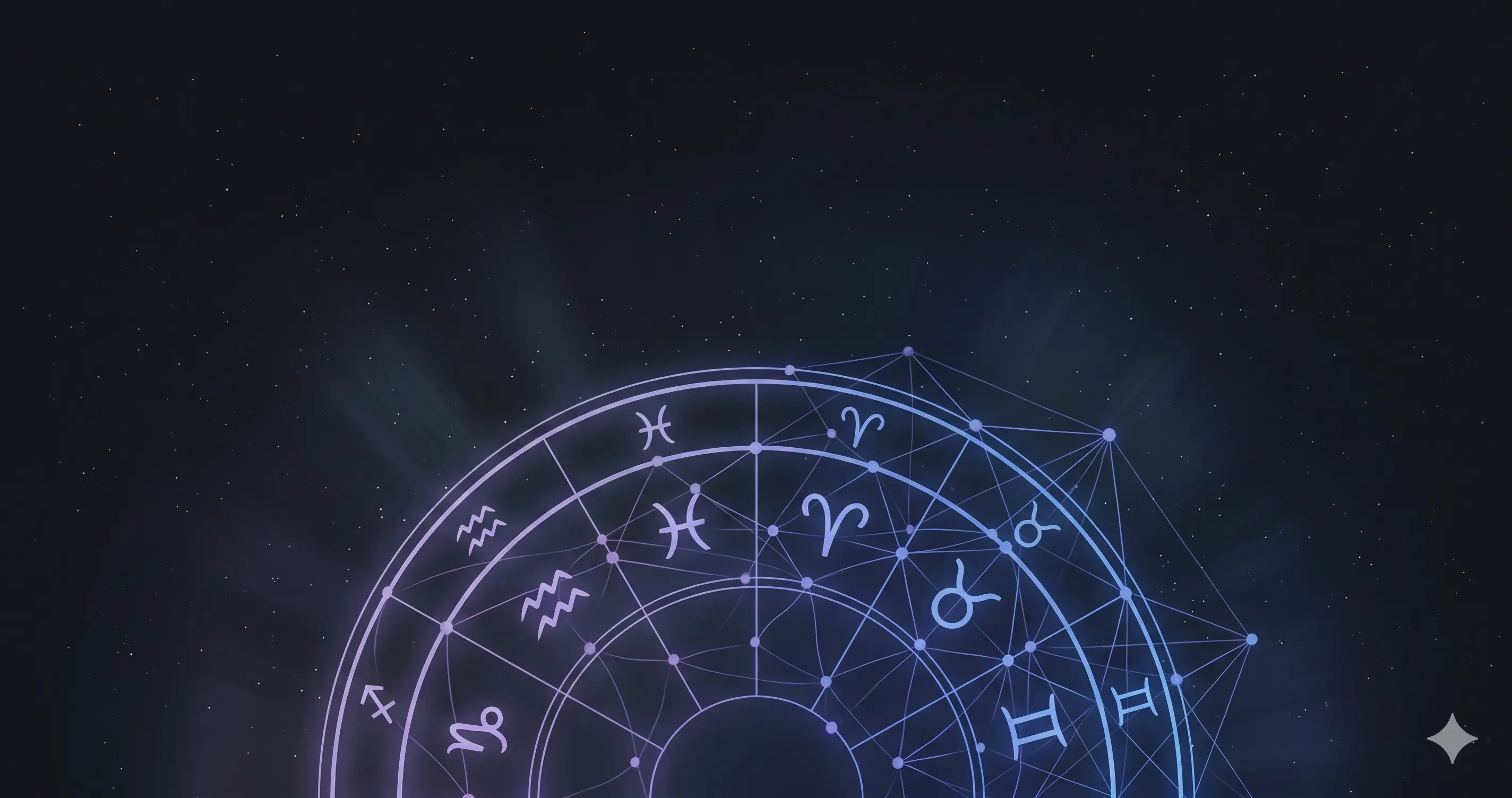
Нейросеть строит натальную карту по дате, времени и месту рождения и объясняет положение каждой планеты простым языком в режиме диалога.
Нейросеть для натальной карты сначала точно рассчитывает вашу карту по дате, времени и месту рождения, а затем интерпретирует её с помощью генеративного ИИ — объединяя все положения планет в одно связное толкование. Именно этот синтез отличает ИИ-астролога от обычных приложений, которые выдают одинаковый шаблонный текст всем, у кого совпадает то или иное положение.
Если вы искали, как ИИ или нейросеть расшифровывает гороскоп, ниже — понятное объяснение того, как это работает и чего ожидать.
Процесс состоит из двух этапов:
Большинство приложений хорошо справляются с первым этапом, но застревают на втором — они показывают отдельные абзацы по каждой планете. Нейросеть объединяет их.
| Обычное приложение | ИИ-астролог | |
|---|---|---|
| Толкование | Шаблонный текст по каждой планете | Единый синтез всей карты |
| Вопросы | Нет | Неограниченные уточняющие вопросы |
| Доступность | — | Круглосуточно, мгновенно |
| Глубина | Поверхностная | Учитывает взаимодействие планет |
Главное преимущество — возможность спросить «почему?». Вы можете задать вопрос вроде «Как мой Марс в Скорпионе влияет на карьеру?» и получить ответ, учитывающий весь контекст карты.
Чтобы рассчитать карту через ИИ, подготовьте три вещи:
Рассчитать натальную карту бесплатно →
Не знаете восходящий знак или знак Луны? Их можно вычислить отдельно:
for reflection & self-knowledge — not prescription.
Sanctuary соединяет вас с живыми астрологами: платные чтения по сессиям и бесплатные гороскопы. Разбираем цены 2026 и более дешёвую ИИ-альтернативу.
Читать дальше →
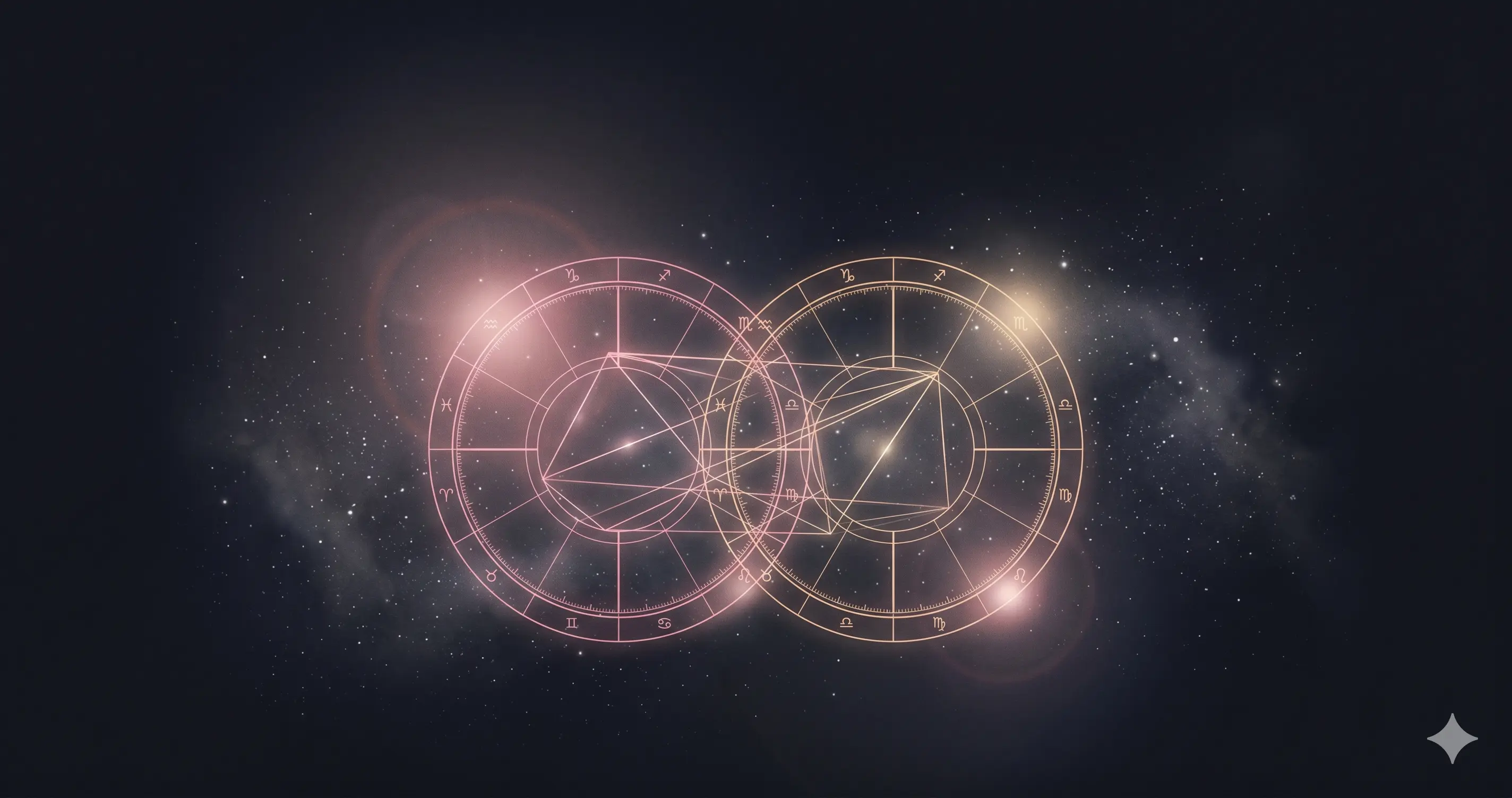
Пошаговое руководство по чтению карты синастрии: как планеты одного человека ложатся в дома другого и какие аспекты раскрывают химию отношений.
Читать дальше →
Стеллиум — это три и более планет в одном знаке или доме. Узнайте точное определение, считаются ли Солнце и Луна и насколько они редки.
Читать дальше →
Natal AI — это ИИ-астролог, который читает вашу полную натальную карту в режиме диалога. Вместо трёх отдельных гороскопов вы получаете единое толкование и можете задавать любые вопросы о своей карте, транзитах и совместимости — круглосуточно, за $3.99 в неделю.